Mental Healthcare
Heartwood connects you to high integrity mental health care by vetted and trained professionals. We focus on care above all else. We offer individual, couples, and therapy groups with the intention of healing in connection to others.
-
We provide individual therapy for those seeking a one-on-one relationship with a clinician who brings an anti-oppressive, intersectional lens to the work.
See the Our People section below to review the therapists we work with.
-
We offer therapy groups, creating space for healing to unfold in community, where connection itself becomes part of the medicine.
Coming Soon! Keep an eye on this page for more details!
-
![]()
Erin Phipps, LCSW, ACS
Creative Energy Officer at Heartwood Care Collective
My clinical focus areas draw from teachings within the Trauma of Money and Body Trust frameworks connected by the grief tending teaching of Frances Weller and informed by the Internal Family Systems model. They are not separate offerings but interconnected threads of a single, grounded approach to healing. Each one is rooted in the same core belief: that people carry within themselves a deep and often underestimated capacity for wisdom, and that the work of healing is largely about returning to that knowing.
I approach my work in the healing space with expansiveness and adaptability, drawing on a wealth of resources and perspectives to meet each person where they are. Community is where social change is best leveraged. As we untangle traumas endured, we explore the impact on your relationship to the body, the emotional burden of money and survival, and make space for grief in all its forms, we hold the through line of self-trust and the collective understanding that individual healing and systemic change are inseparable. This work is never one-size-fits-all. It is careful, curious, and deeply respectful of each person's unique path.
At the heart of my practice is a focus on self-trust and collective healing. As the late poet Andrea Gibson wrote, "You are the best thing that has ever happened to you." After immense loss, life-changing trauma, or a period of recovery, it takes time to rediscover the shared wisdom that guides us forward. Change is a profound teacher. My work centers on helping people slow down together, listen inward, and begin to honor both their own unique wisdom and the power of communal healing. My approach is mindful, thoughtful, expansive, and grounded in the conviction that we carry within us, and between us, everything we need to heal.
-
![]()
Max Harlow, LPCC
Owner, Max Harlow Counseling
Those who know Max best would describe them as warm, supportive, non-judgmental, witty, caring, playful, and smart with a wisdom that tends to surprise people. (They're also, for the record, more of a cat person.)What gets Max out of bed in the morning? Breakfast, first and foremost. But beneath that, it's a genuine sense of wonder about life. Max has a deep curiosity about the experiences, people, and mysteries that shape who we are.
Max has a particular love for working with caretakers, big feelers, helping professionals, and highly sensitive people, especially those with some curiosity about the wisdom of thierbody. They also have a deep commitment to supporting queer and trans youth.
Max's practice is rooted in somatic therapy and biodynamic craniosacral work. At its most fundamental, they believe therapy is about being seen, heard, and held. These modalities allow them to show up fully and meet whatever is present in the moment, whether through talking, exploring sensation and movement, or gentle bodywork.
Reach out to Max at https://www.maxharlowsomatictherapy.com/
-
![Photo of Jasmine Quistorf]()
Jasmine Quistorf, LPCC
Edge of Wonder Counseling, PLLC
Those who know Jasmine best would describe her as nurturing, loyal, protective, sensitive, earnest, and introverted and these qualities that show up in her work every day.Outside of the office, her world revolves around her family of animals: two dogs, a cat, and a rabbit who keep her very busy. She also treasures early mornings. There’s something quietly restorative about catching a sunrise before the rest of the world wakes up, and those pockets of stillness are something she holds onto.
Jasmine works best with clients who are in an action stage of change and who genuinely value the therapeutic space. She is a therapist who wants to work, and she does her best alongside clients who feel the same. She has a particular passion for supporting people who are navigating trauma, with or without the lived experience of neurodivergence.
Her approach draws from multiple modalities including somatic work, parts work, EMDR, and creative interventions. Through her work with trauma, she has found that the when and how of a traumatic memory often determines what it needs in order to be processed and metabolized. Early childhood trauma, for example, may respond better to the abstract and body-centered approach of drawing or naming physical sensations, while adolescent trauma may call for the structure and cognitive grounding of EMDR or parts work. This flexibility allows her to meet each client's history on its own terms and find the language that fits.
Reach out to Jasmine at https://www.eowcounseling.com/
-
![]()
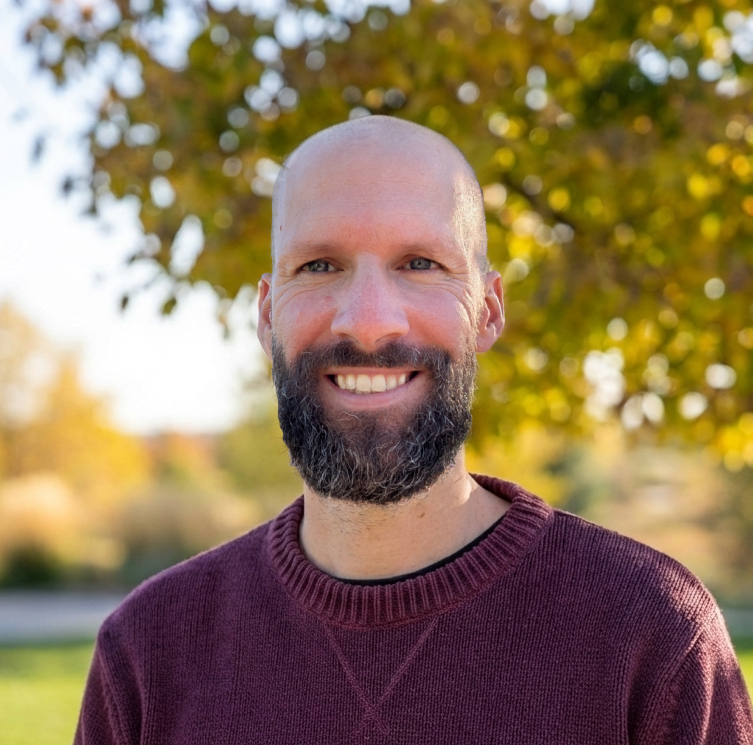
Brett Monzel
Owner, Brett Monzel Counseling
Brett is described as grounded, thoughtful, and easy to talk to. He is someone who listens well, stays calm in difficult moments, and genuinely wants to understand people rather than judge them. Brett’s friends would also be quick to mention that he has a sense of humor and doesn't take himself too seriously.
Family is at the center of Brett's life and grounds him in what matters most. Beyond that, he's someone who genuinely enjoys learning, working on himself, and taking on new challenges. He values growing personally, understanding people more deeply, and finding creative ways to help clients move forward. He's motivated by a real sense of gratitude for life and for the opportunity to keep growing alongside the people he works with.
Brett's ideal client doesn't need to have everything figured out, but has a willingness to be honest, curious, and open to growth. He works best with people who want more than quick fixes and are interested in understanding themselves more deeply. That said, he knows therapy can be hard, and he doesn't expect clients to show up perfectly motivated or self-aware all the time. What matters most is a genuine desire for change, wellbeing, or a more engaged way of living.
His work draws from several approaches rather than following a single model, including CBT, DBT, mindfulness-based approaches, and somatic work. He's found that lasting change usually involves more than just thinking differently, but also it means learning to relate differently to emotions, the body, and relationships. He helps clients build awareness, self-understanding, and practical tools they can actually use in daily life. He values approaches that are evidence-based but flexible enough to honor the full complexity of being human, and he takes a genuinely collaborative approach to working with each person he sees.
Reach out to Brett at https://brettmonzelcounseling.com/